Introduction
Finding earwigs in home spaces can make many people uncomfortable. These small insects often appear in bathrooms, basements, kitchens, and dark corners of the house. Many homeowners become worried when they keep seeing them at night or after heavy rain. Some people think earwigs are dangerous while others fear they may damage the house. The truth is that earwigs are mostly nuisance pests that enter homes searching for moisture, shelter, and food.
If you have ever asked why are there so many earwigs in my house you are not alone. Earwig problems become common during warm and wet seasons. They can enter through tiny gaps around doors, windows, pipes, and foundations. Once inside they hide in dark and damp areas where they feel safe.
This guide explains everything you need to know about earwigs in home areas. You will learn why they enter houses, where they hide, how to stop them, and the best ways to prevent future infestations. Pest AI also recommends long term prevention because removing moisture and sealing entry points works better than only using sprays.
What Are Earwigs
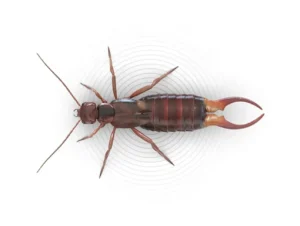
Earwigs are small insects with flat brown bodies and forceps at the back of their abdomen. These forceps look scary but they are mainly used for protection and mating. Earwigs usually grow between half an inch and one inch long. They prefer dark wet places and stay hidden during the daytime.
Most earwigs are active at night. They move around searching for food and moisture. Outside they often live under rocks, mulch, leaves, flower pots, and wood piles. Indoors they hide in bathrooms, laundry rooms, basements, and kitchens.
Many people believe earwigs crawl into human ears. This old story created fear around these insects but there is no scientific proof that earwigs normally crawl into ears. They are not dangerous to humans and they rarely bite. Even if they pinch with their forceps the pain is usually very minor.
Earwigs can actually help gardens because they eat small insects and decaying plant material. However when their numbers grow too high they may damage flowers, vegetables, and indoor plants.
Why Do I Have Earwigs in My House
One of the most common questions homeowners ask is why do i have earwigs in my house. The biggest reason is moisture. Earwigs need damp conditions to survive. If your home has wet areas it becomes attractive to these pests.
Leaking pipes are one major cause. Small plumbing leaks under sinks or behind walls create moisture that earwigs love. Poor ventilation in bathrooms and basements also increases humidity levels. Damp crawl spaces can quickly attract large numbers of earwigs.
Weather changes are another reason. After heavy rain the soil becomes too wet and earwigs search for dry shelter. During very hot weather they may also move indoors looking for cooler damp areas. This is why many people notice earwig activity during summer and spring.
Outdoor conditions around the house also matter. Thick mulch, wet leaves, overgrown plants, and stacked firewood create perfect hiding spots near the home. Earwigs living close to the foundation can easily move indoors through cracks and gaps.
Bright exterior lights may also attract insects at night. Earwigs often gather near porch lights and garage lights where they later find ways into the house.
How Do Earwigs Get Into the House
Many homeowners wonder how do earwigs get into the house because these insects can appear suddenly indoors. Earwigs are very small and can squeeze through tiny openings.
Common entry points include cracks in the foundation, gaps under doors, damaged window screens, and openings around pipes or utility lines. Garage doors with poor seals can also allow earwigs to enter.
Sometimes people accidentally carry earwigs inside. Firewood, cardboard boxes, newspapers, and potted plants may hide these insects. Earwigs can also enter through vegetables and garden items brought indoors.
Once inside they move toward dark and moist areas where they can hide during the daytime. They are excellent at staying hidden which makes infestations difficult to notice early.
Earwig in Bathroom Problems
An earwig in bathroom spaces is very common because bathrooms provide moisture and darkness. Earwigs are attracted to wet towels, leaking sinks, shower drains, and humid air. Bathrooms also stay cooler than other rooms which helps earwigs survive longer indoors.
If you keep finding earwigs in bathroom corners you may have hidden moisture problems. Check for leaking pipes under sinks and behind toilets. Poor ventilation can also trap humidity and create the perfect environment for pests.
Bathrooms connected to basements or crawl spaces may experience larger infestations because earwigs can travel through wall gaps and plumbing openings. Drains may also provide moisture that attracts them.
To reduce earwigs bathroom activity keep the area dry. Use exhaust fans after showers and repair any plumbing leaks quickly. Cleaning around drains and sealing cracks near pipes can also help reduce infestations.
Why Are Earwigs Worse After Rain
Many people notice more earwigs after storms and wet weather. Rain floods outdoor hiding places forcing earwigs to search for shelter indoors. Wet mulch and soaked soil push them closer to foundations where they discover entry points into homes.
Heavy rain also increases humidity levels around the house. Moisture collects in basements, crawl spaces, and bathrooms creating ideal indoor conditions. If drainage systems are poor water may gather near the foundation which attracts even more pests.
Homes with clogged gutters or standing water often experience larger earwig problems. Keeping water away from the foundation is an important step in prevention.
Where Earwigs Hide Inside the Home
Earwigs prefer dark quiet places where they will not be disturbed. Basements are one of their favorite hiding spots because they are cool and damp. Crawl spaces and laundry rooms are also common areas for infestations.
Kitchens may attract earwigs because of food crumbs and moisture around sinks. Under appliances and cabinets they can hide safely during the day.
Indoor plants are another common hiding place. Wet soil and decorative pots provide moisture and shelter. If you notice damage to leaves or flowers earwigs may be feeding on your plants at night.
Bedrooms and living rooms usually have fewer earwigs but they may still hide behind baseboards, under furniture, or inside cluttered storage areas.
Signs of Earwigs in Home Areas
The clearest sign of earwigs in home spaces is seeing live insects regularly. Earwigs are nocturnal so you may notice them at night when turning on lights.
Another sign is plant damage. Earwigs chew irregular holes in leaves and flowers. Indoor plants with damaged edges may have hidden earwig activity.
You may also notice earwigs around drains, under wet towels, or near basement walls. Large outdoor populations near patios, mulch, and flower beds often lead to indoor infestations.
A strong unpleasant smell may sometimes appear when earwigs gather in large numbers because they release defensive odors.
How to Get Rid of Earwigs Naturally
Natural control methods work well for small infestations. The first step is reducing moisture. Repair leaks, improve ventilation, and use dehumidifiers in damp rooms. Dry conditions make homes less attractive to earwigs.
Remove outdoor hiding places near the foundation. Clean away leaves, trim plants, and keep mulch several inches away from walls. Store firewood far from the house.
Sealing entry points is also important. Use caulk around windows, doors, and foundation cracks. Install door sweeps and repair damaged screens.
Simple traps can help reduce populations. Rolled newspapers placed overnight attract earwigs because they provide shelter. In the morning throw the paper away. Small containers filled with oil and soy sauce can also trap earwigs effectively.
Diatomaceous earth is another natural solution. This powder damages the insect body and helps control earwigs around entry points and outdoor areas.
Pest AI often recommends combining several prevention methods because long term success depends on moisture control and exclusion.
Best Chemical Treatments for Earwigs
When infestations become severe chemical treatments may be necessary. Outdoor perimeter sprays around foundations help stop earwigs before they enter the home. These products should be applied carefully according to label directions.
Indoor treatments usually focus on cracks, crevices, and baseboards where earwigs hide. Dust products may work well in crawl spaces and wall voids.
Insecticidal soaps and contact sprays can kill visible earwigs quickly but they do not solve the main moisture problem. This is why prevention remains important.
Professional pest control companies can provide stronger treatments and identify hidden moisture issues that homeowners may miss.
How to Prevent Earwigs From Returning
Long term prevention is the best solution for earwig problems. Start by keeping the home dry. Repair leaks quickly and improve airflow in bathrooms and basements.
Proper landscaping also helps. Avoid thick mulch near the foundation and trim plants away from walls. Keep gutters clean so water flows away from the home.
Exterior lighting can affect insect activity. Yellow LED lights attract fewer insects than bright white bulbs.
Regular inspections are important. Check for cracks, gaps, and moisture problems every season. Early action prevents small problems from turning into larger infestations.
Pest AI encourages homeowners to focus on prevention because repeated spraying without fixing moisture issues usually leads to recurring infestations.
Common Myths About Earwigs
Many myths about earwigs create unnecessary fear. The biggest myth is that earwigs crawl into human ears. While the name sounds frightening there is no evidence that they normally do this.
Another myth is that earwigs are dangerous pests. They rarely harm humans and their forceps are mostly defensive. Some people may feel a small pinch but serious injury is extremely rare.
Many homeowners also believe earwigs mean the house is dirty. In reality moisture matters more than cleanliness. Even clean homes can attract earwigs if damp conditions exist.
Earwigs Compared to Other Household Pests
Earwigs are often confused with cockroaches because both hide in dark places. However earwigs have forceps while cockroaches do not. Earwigs also prefer moisture more strongly than many other pests.
Silverfish are another moisture loving insect often found in bathrooms and basements. Unlike earwigs silverfish have long antennae and fish shaped bodies.
Centipedes may also appear in damp areas. They move faster than earwigs and have many legs. Proper identification helps homeowners choose the best treatment methods.
When to Call a Professional
Sometimes DIY methods are not enough. If you continue seeing large numbers of earwigs after reducing moisture and sealing entry points professional help may be needed.
Recurring infestations may indicate hidden plumbing leaks, drainage issues, or structural problems. Pest control professionals can inspect these areas carefully.
Professional treatment may also help when earwigs spread through basements, crawl spaces, or wall voids where homeowners cannot easily reach.
Conclusion
Earwigs in home areas are usually caused by moisture, shelter, and easy entry points. These pests commonly appear in bathrooms, basements, kitchens, and other damp spaces. If you keep asking why are there so many earwigs in my house the answer often involves hidden moisture problems or outdoor conditions near the foundation.
Keeping your home dry is the most effective way to stop infestations. Repair leaks, improve ventilation, remove outdoor hiding spots, and seal cracks around the house. These simple steps can greatly reduce earwig activity and prevent future problems.
Although earwigs may look frightening they are mostly nuisance pests and rarely dangerous. With proper prevention and maintenance homeowners can successfully keep earwigs out of the house and maintain a healthier living environment.